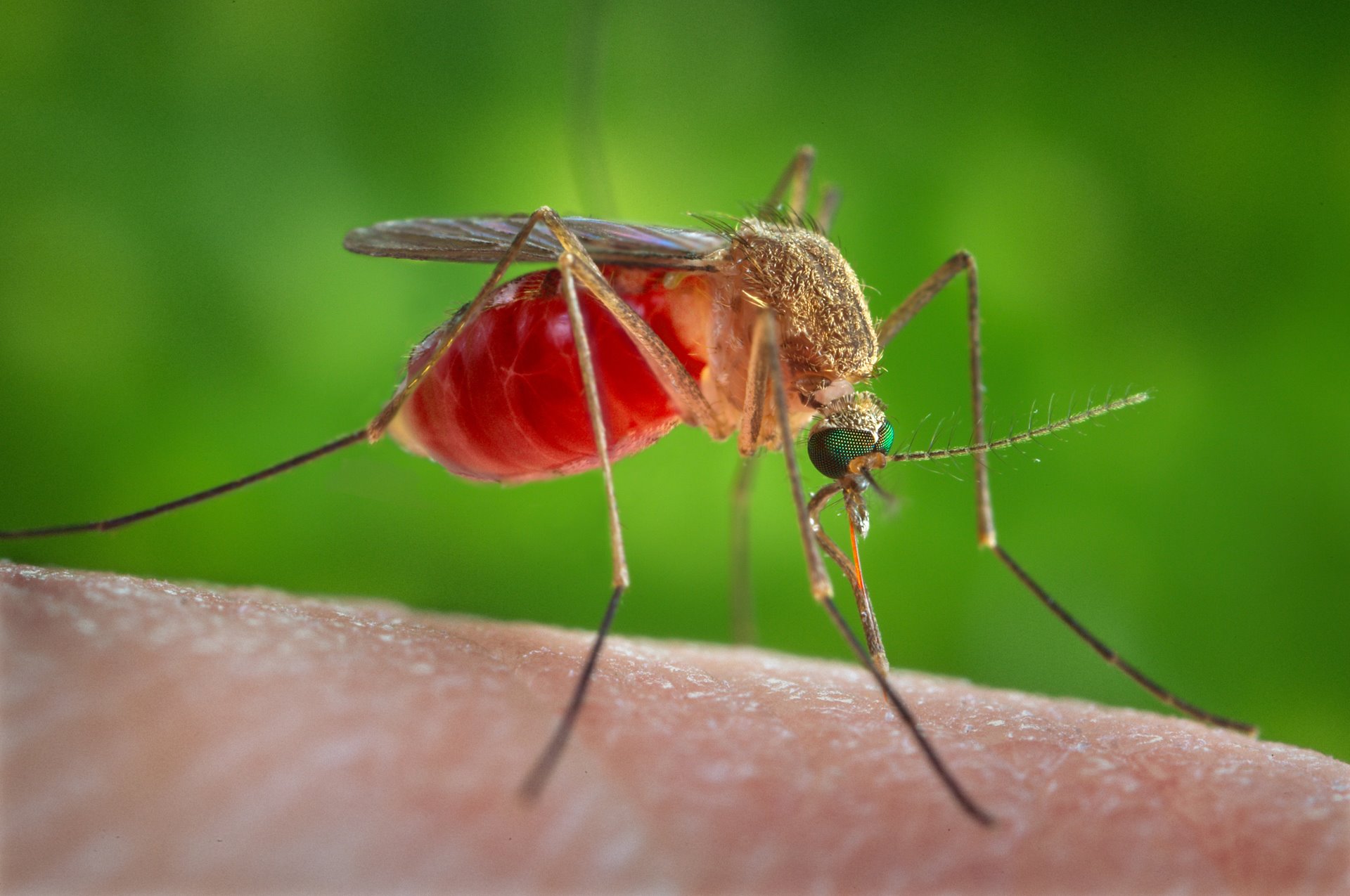

Due to increased mosquito activity north of the Salton Sea, the District has scheduled ultra-low volume (ULV) applications by helicopter to reduce the number of mosquitoes and threat of mosquito-borne disease transmission. The treatment area is bordered by Highway 111, Wheeler Street, Johnson Street, and north of the Salton Sea shoreline, excluding organic properties and fish farms. Applications are scheduled Thursday, Friday, and Saturday (May 2-4), and will take place sometime between 8 p.m. and midnight, weather permitting. Additional dates may be added if necessary and will be updated on the District website http://www.cvmvcd.org/controlactivities.htm.Signs have been posted along the route, informing residents of the control efforts.
Enhanced surveillance and public outreach will continue in an ongoing effort to bring down mosquito populations. District teams are searching for and treating standing water sources. Community members are urged to also do inspections for standing water on their own properties and remove any standing water they find.
No mosquito-transmitted viruses have been detected in the Coachella Valley this year, however, the higher the mosquito population, the higher the risk of West Nile and St. Louis encephalitis virus transmission. These viruses are transmitted to people via the bite of an infected mosquito. Mosquitoes become infected when they bite birds with the virus. Most people will have no symptoms; others develop fever, headaches, and body aches. Hospitalization is required in some cases and in rare cases the disease is fatal. Young children, the elderly, or individuals with lowered immune systems are at greater risk of experiencing severe symptoms when infected. Anyone with symptoms should contact their health provider. The best way to prevent getting infected is to prevent mosquito bites.
Inspect yards for standing water sources and drain water that may have collected under potted plants, in bird baths, discarded tires, and any other items that could collect water.

Prevent mosquito bites:
- Avoid going outside in the hours around dawn and dusk when mosquitoes that can transmit West Nile and St. Louis encephalitis viruses are most active.
- Wear repellents with EPA-registered ingredients such as DEET, picaridin, oil of lemon eucalyptus, or IR3535 to exposed skin and/or clothing (as directed on the product label).
- Wear long sleeve shirts, long pants, socks, and shoes when mosquitoes are active.
- Maintain window and door screens to prevent mosquitoes from entering your home.
Report stagnant water sources, mosquito problems, and dead birds to the District at (760) 342-8287 or online at www.cvmvcd.org/contact.htm. You can also learn more about mosquito and other vector threats in the Coachella Valley at www.cvmvcd.org.