Category: Pets

  • Growing Up With Pets

    Growing Up With Pets

    4 Ways Kids can Benefit from Growing Up With Pets

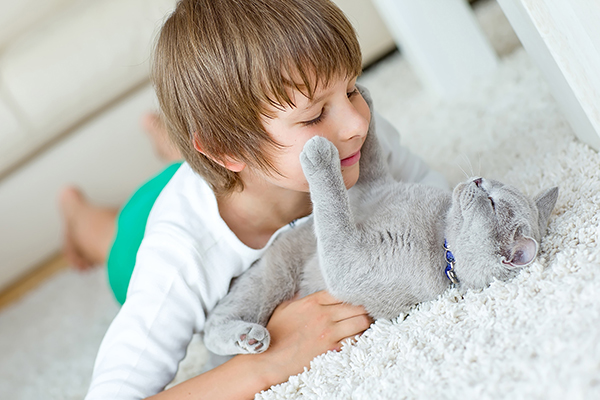
    Pets can make an impression on every member of the family, but the bond between a child and a pet can become a special one with lifelong effects. From increased physical activity to a positive impact on confidence and social skills, there are many ways younger family members can benefit from growing up alongside a furry friend.

    These are a few ways kids can learn from growing up with a pet, courtesy of the CESAR® brand, and you can find more at Cesar.com/firstdayfriends.

    1. Increased Physical Activity – Whether taking a walk or playing fetch, pets provide unique opportunities for children to engage in physical activities, both indoors and out. As a bonus, encouraging children to expel energy alongside their pets can tire out both rambunctious parties, which can benefit the whole family.
    1. Empathy and Companionship – No matter what may be going on in a child’s life, a pet can be there through highs and lows as a constant friend. Research shows a pet can help reduce stress and moderate its impact. Having a companion animal like a cat or dog may provide the secure attachment and emotional support a child needs. This impact can also be seen through the CESAR brand’s First Day Friends program, which celebrates the benefits of the human-animal bond in the classroom.  
     
    1. Improved Social Skills and Self-Esteem – Kids with pets tend to have greater self-esteem, less loneliness and enhanced social skills, according to a study from the WALTHAM™ Centre for Pet Nutrition. Moreover, simply owning a pet can help facilitate conversation between children who may find social settings difficult, ultimately learning to form bonds and friendships with their peers.
    1. Responsibility – Pet ownership can help teach kids about responsibility and caring for another living being. Feeding, cleaning, walking and grooming are all activities that appropriately aged children can do with the help of an adult. With single-serving dog food options, it can be easy to teach children about their pets’ mealtime routines, including how much and how often to feed them. To make it even more special, the CESAR Home Delights™ line offers recipes modeled after a meal you might serve at your own table, so children can enjoy “sharing” their meals with their dogs.

    Photos courtesy of Fotolia

    (Family Features) SOURCE:
    Mars Petcare
  • Ideas for You and Your Pet

    Ideas for You and Your Pet

    5 Springtime Adventure Ideas for You and Your Pet

    As temperatures rise and days get longer, pets, just like humans, get excited about spring. It’s time to get into new routines, and warmer weather provides the perfect opportunity to spend more time with your pet, creating memories both indoors and out.

    Here are a few ideas for enjoying springtime with your pet from the experts at the NUTRO™ and GREENIES™ brands.

    1. Get Active Outside – With the return of sunshine, spring is a prime opportunity for you and your four-legged friend to get active in the great outdoors. Take out your tennis shoes, grab a leash and hit the road. Whether you’re taking a walk, visiting a dog park or going on a hike, regular physical activity outdoors can help keep you and your pet healthy and active.

    2. Spring Cleaning – This isn’t just about dusting off bookshelves or decluttering closets. It’s also an opportunity to reassess other aspects of your life that could use a cleaning, such as yours and your pet’s diets. As part of the NUTRO. FEED CLEAN™ philosophy, dog and cat food recipes are made with real, recognizable ingredients, such as chicken, salmon and sweet potatoes, allowing you to share your healthy eating lifestyle with your pet.

    3. Yappy Hour on the Patio – It’s that time of year when sidewalks are buzzing with the weekend brunch crowd. As you enjoy fresh, seasonal foods, your fur baby can have quality time on patios with you, too. To help make pets welcome in more places, Mars Petcare established the BETTER CITIES FOR PETS™ program, which works with local businesses and governments to encourage pet-friendliness.

    4. Make New Friends – Give your pet the freedom to run around a dog park and socialize with other dogs and pet owners alike. If your canine is also a social butterfly, playing with other pooches can be both physically and mentally stimulating. Visiting the dog park is also an opportunity for you to meet other like-minded, dog-friendly people in the neighborhood.

    5. Go on a Mini Road Trip – Whether you’re heading out on a weekend camping trip or an adventure in a field of flowers, don’t forget to include your pet in your plans. It’s important to consider how your furry friend will ride along with you on your road trip. Try bringing a blanket or toy from your house, so your dog can be comforted by the smells of home. Also, when the family is in the close quarters of a car for an extended amount of time, make sure you pack an option like GREENIES™ Dental Treats to help freshen your dog’s breath.

    Photos courtesy of Fotolia

    SOURCE:
    Mars Petcare (Family Features)
  • CA Lawmakers Move Multiple Animal-Welfare Bills Forward

    CA Lawmakers Move Multiple Animal-Welfare Bills Forward

    SACRAMENTO, Calif. – A slew of animal protection bills moved forward in the California Legislature this week – including proposals to limit animal abuse, hunting, poisoning and trapping. 

    Senate Bill 580 would force people convicted of such serious crimes as aggravated cruelty, bestiality and hoarding to undergo mental-health evaluation and get treatment if necessary. Kim Kelly legislative affairs director with the Animal Legal Defense Fund says lawmakers are seeing the need to deal with people who abuse animals, before they hurt people.

    “This is a way to intervene early on,” says Kelly. “Oftentimes, people who are violent towards animals, there might be an underlying issue. And so, this mental health evaluation would get to the root of the problem and hopefully get them appropriate counseling, so that we could stop the escalation.”

    Assembly Bill 1788 would ban certain types of commercial rat poison that also harm wild animals that eat the carcasses. Other bills would ban trophy hunting of bobcats and commercial trapping of other animals for fur; forbid the use of certain endangered animals in circuses, and criminalize the sale of most fur products. 

    Opponents of many of these bills say they represent government overreach.

    California law makes it a misdemeanor to sexually assault an animal. But Kelly says the current definition is too narrow, and her group supports Assembly Bill 611 to change that.

    “So, the bill would strengthen the law in California by expanding the definition, preventing offenders from possessing animals, and requiring veterinarians to report signs of animal sexual abuse to law enforcement,” says Kelly.

    Currently, eight California cities ban the procedure of declawing cats because they say it is painful for the animal. Assembly Bill 1230 would institute that ban statewide.

  • Don’t Forget to Plan for Pet-Care for the Long Term

    Don’t Forget to Plan for Pet-Care for the Long Term

    Janice Gough
    Janice Gough

    So many of us give our constant love and time to our pets; however, many forget to add their pets in their estate plan.

    Under our State laws, pets are considered personal property, and they need special consideration in an estate plan to ensure they receive the proper care when their owners can no longer care for them. A Pet Trust can dictate the type of care a pet will receive after its owner is gone and supply funds for that care; it also gives owners peace of mind knowing that their beloved pets will be cared for.

    By establishing a trust for your pets, you can plan for their care for their life after you can longer care for them. Even if you do have a specific person to care for your pet(s), setting up the Pet Trust is recommended in the event of the successor caretaker’s untimely death or health problems. 

    The pet trust will need to hold a certain sum of money to pay for the pet’s care. To determine the amount, first estimate the annual costs of food, veterinary care, routine medications, pet insurance, and supplements, as well as any other recurring fees, and then multiply that by the entire life expectancy of the pet(s). It is also essential to factor an extra amount, as your pet’s medical care costs may increase due to age.

    Be sure to identify each pet clearly.  To others, your pet may look like another. A specific description of the pet and its features is necessary, to ensure and avoid copycat pets. (Because there is money involved, an unscrupulous caretaker might seek to have payments continue past a pet’s death.). Include a list of microchip numbers and other identifying information in the trust document.

    Finally, the owner should clearly state in the trust that the care of the pet is the trust’s primary purpose and that all funds should be used to care for the pet. A remainder beneficiary can be listed for any funds remaining after pet’s death. Some chose a non-profit animal welfare group.

    In most cases, you will need to designate both a trustee and a caretaker. Consider these choices carefully. The trustee will be in charge of the money and will have the legal responsibility to ensure that the money is used correctly by the caretaker. You may also want to give the trustee the ability to remove and replace the caretaker, if necessary.

    The trustee is entitled to compensation, and it is generally a good idea to provide an annual stipend for the caretaker as well. Outline this compensation clearly in the trust. It is essential for you to list in detail how the pet should be cared for. Include the name of the preferred veterinarian and the minimum number of vet visits per year, as well as any requirements for boarding, grooming, pet walking services, toys, treats — even doggie daycare.

    Using these tips as a guideline for developing a pet trust will ensure that the pet is protected and well cared for.

    Janice Gough is a Financial Advisor in Palm Springs.  You may reach Janice  by calling (760)251-7724 or (650) 200-8291 or visit our website: www.GoughFinancialSvcs.com or Janice@GoughFinancialSvcs.com